Vinyl vs. Fiberglass Frames: Modern Window Replacement Guide
By Jim Wilson | November 18, 2026
Choosing the right window frames is an important part of improving your home's appearance, comfort, and energy efficiency. Vinyl and fiberglass are two popular options, each offering distinct advantages in durability, maintenance, insulation, and overall value. Understanding how these materials compare can help homeowners make informed decisions when planning a window replacement project.
Understanding the Differences Between Vinyl and Fiberglass
Vinyl and fiberglass window frames are designed to provide reliable performance while protecting homes from outdoor elements. However, their materials, manufacturing processes, and long-term characteristics differ.
Vinyl frames are made primarily from polyvinyl chloride (PVC), a durable plastic material that resists moisture, corrosion, and everyday wear. They are popular because they offer dependable insulation, require relatively little maintenance, and are generally more affordable than other frame materials. Vinyl also comes in various colors and finishes, making it easier to coordinate new windows with a home's exterior.
Fiberglass frames are manufactured by combining glass fibers with resin, creating a strong, stable material. They are known for their resistance to temperature fluctuations, moisture, and warping. Although fiberglass windows typically have a higher initial cost, their strength and durability can make them an attractive long-term investment.
Both materials offer practical benefits, but the right choice depends on a homeowner's priorities, budget, and architectural preferences.
Comparing Durability and Long-Term Performance
Durability is an important consideration when selecting replacement windows. Frames must withstand years of exposure to sunlight, rain, wind, and changing temperatures without losing their structural integrity.
Vinyl frames resist moisture, making them less susceptible to problems such as rotting, rusting, and corrosion. They also hold up well under normal weather conditions. However, vinyl can expand and contract as temperatures change, potentially affecting its long-term performance. Higher-quality vinyl products are generally engineered to minimize these effects.
Fiberglass offers excellent dimensional stability because it expands and contracts at a rate closer to that of glass. This characteristic helps maintain the seal between the frame and glass, even when outdoor temperatures fluctuate significantly. Fiberglass also resists cracking, warping, and deterioration when properly manufactured and installed.
When comparing these materials, consider the following characteristics:
- Vinyl: Resists moisture, corrosion, and common forms of weather-related deterioration.
- Fiberglass: Provides exceptional structural strength and stability during temperature changes.
- Both: Offer dependable performance when homeowners select quality products and ensure proper installation.
For homeowners prioritizing long-term structural stability, fiberglass may have an advantage. However, quality vinyl windows can also provide years of reliable service.
Evaluating Energy Efficiency and Insulation
Energy efficiency is another major factor when planning a window replacement project. Older or poorly insulated windows can contribute to drafts, uncomfortable indoor temperatures, and increased heating and cooling expenses.
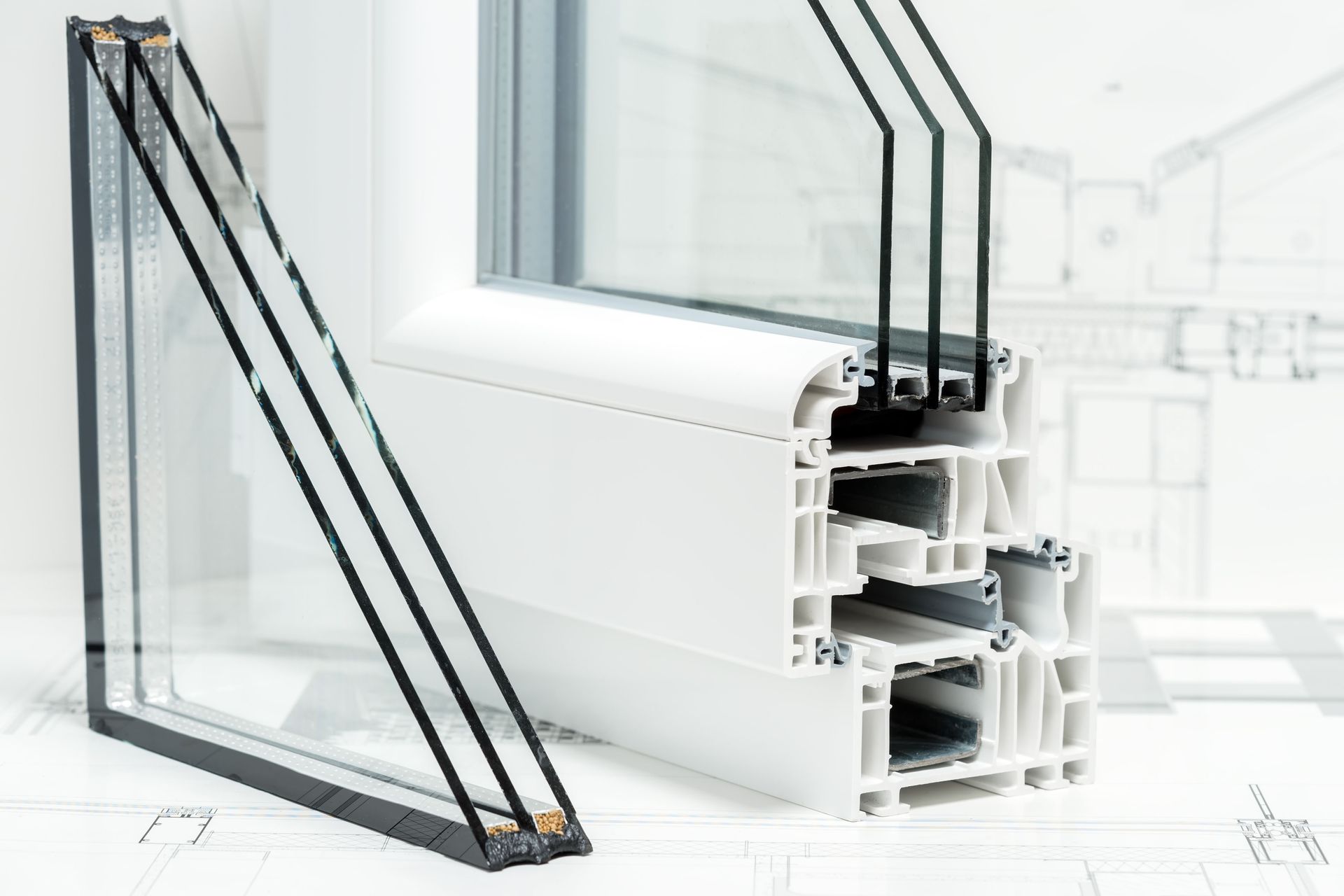
Both vinyl and fiberglass frames offer good insulating properties. Vinyl naturally has relatively low thermal conductivity, meaning it does not transfer heat as readily as some other frame materials. Many vinyl windows also feature multiple internal chambers that help reduce heat transfer and improve insulation.
Fiberglass frames provide similar benefits while maintaining their shape during seasonal temperature changes. Their dimensional stability can help preserve tight seals around the glass, reducing opportunities for air leakage. Some fiberglass products also incorporate insulated cavities to improve thermal performance.
However, frame material is only one part of a window's overall energy efficiency. Homeowners should also evaluate:
- Glass Options: Double-pane and triple-pane glass can improve insulation and reduce heat transfer.
- Low-E Coatings: These specialized coatings help control solar heat gain while allowing natural light into the home.
- Gas Fills: Argon or krypton gas between glass panes can improve insulating performance.
- Weatherstripping: Quality seals help prevent unwanted air infiltration around movable window components.
Choosing energy-efficient glass and professionally installed frames can make a meaningful difference in indoor comfort, regardless of which material homeowners select.
Comparing Maintenance Requirements and Appearance
Maintenance requirements can influence the convenience and long-term cost of owning replacement windows. Fortunately, both vinyl and fiberglass are relatively low-maintenance materials compared with traditional wood frames, making them practical options for homeowners planning a window replacement project.
Vinyl windows generally require occasional cleaning with mild soap and water. They do not need regular painting, staining, or sealing to protect against moisture. However, some vinyl finishes may fade or discolor after prolonged exposure to direct sunlight, particularly when lower-quality materials are used.
Fiberglass windows are similarly easy to maintain. Their surfaces resist moisture and do not require frequent refinishing. Many products feature factory-applied finishes that provide lasting color and protection. Some fiberglass frames can also be painted, giving homeowners additional flexibility when updating their home's exterior.
Appearance is another consideration. Vinyl windows are available in several colors, textures, and styles, although customization options can vary by manufacturer. Fiberglass frames can often accommodate narrower profiles, creating a more streamlined appearance and allowing additional natural light into interior spaces.
Both materials can complement contemporary and traditional homes. The best option depends on the desired aesthetic, available finishes, and how well the windows coordinate with existing exterior features.
Comparing Initial Costs and Long-Term Value
Budget is often one of the biggest considerations during a window replacement project. Vinyl windows generally have a lower purchase and installation cost, making them an appealing option for homeowners who want to improve their properties without exceeding their budgets.
Fiberglass windows typically cost more due to their manufacturing processes and material properties. However, their durability, dimensional stability, and potential for long-term performance may help justify the additional investment.
According to Consumer Affairs, windows generally have a lifespan of 20 to 40 years, depending on material quality and how consistently they are maintained. This makes it important to consider more than the initial purchase price when comparing available options.
Homeowners should evaluate the overall value of each material by considering:
- Initial product and installation expenses.
- Expected lifespan and resistance to weather-related damage.
- Potential energy savings from improved insulation.
- Manufacturer warranties and available coverage.
- Maintenance requirements and possible refinishing expenses.
Comparing these factors can help homeowners identify an option that aligns with their financial priorities while supporting their property's long-term needs.
Selecting the Right Frame for Your Home
The best window frame material depends on the home's design, local climate, budget, and desired performance. Neither vinyl nor fiberglass is automatically the better choice for every property.
Vinyl may be the right option for homeowners who prioritize affordability, straightforward maintenance, and dependable insulation. It can also be a practical solution when replacing multiple windows at once because its lower initial cost may make larger projects more manageable.
Fiberglass may appeal to homeowners who prioritize structural stability, design flexibility, and long-term durability. Its resistance to temperature-related expansion and contraction can be particularly beneficial in areas that experience significant seasonal changes.
Before making a final decision, consider the following steps:
- Evaluate Existing Windows: Look for drafts, damaged frames, condensation between glass panes, and other signs that replacement may be necessary.
- Establish a Budget: Determine how much you can comfortably invest while accounting for product quality and professional installation.
- Compare Available Products: Review frame construction, glass packages, colors, finishes, and manufacturer warranties.
- Consider Your Home's Design: Choose frames that complement your existing siding, trim, architectural features, and overall appearance.
- Consult Experienced Professionals: Discuss your priorities with a qualified contractor who can help you evaluate suitable materials and installation options.
Taking time to compare these details can help prevent costly mistakes and ensure your new windows meet your expectations.
Making a Confident Window Replacement Decision
Vinyl and fiberglass frames both offer valuable benefits for homeowners looking to improve their properties. Vinyl provides an affordable, low-maintenance solution with dependable insulation, while fiberglass offers excellent strength, stability, and design flexibility. Comparing their differences in durability, energy efficiency, appearance, and cost can help you determine which material best supports your home's needs when planning a window replacement project.
Professional guidance is also important for achieving lasting results. Wilson Home Restorations offers professional window installation and replacement services, along with a variety of vinyl and fiberglass window options to accommodate different homes and preferences. Contact Wilson Home Restorations today to discuss your window replacement needs and explore the right windows for your home.