How to Choose the Right Front Door for Your Home
By Jim Wilson | April 13, 2026
The front door is often the centerpiece of a home's facade, making its selection crucial not only for aesthetics but also for functionality. A carefully chosen front door enhances curb appeal, providing guests and passersby with a welcoming impression of your home. Beyond appearances, the right front door significantly impacts security and energy efficiency, acting as the first line of defense against intruders and the elements. According to Fixr, 96% of homeowners consider aesthetics and durability as the most important factors in choosing doors. With myriad options available, homeowners must consider various factors such as materials, designs, and technologies. This article will provide comprehensive insights into the considerations necessary for selecting the perfect front door installation, ensuring that it matches your home’s style, needs, and budget.
1. Evaluating Door Styles and Designs
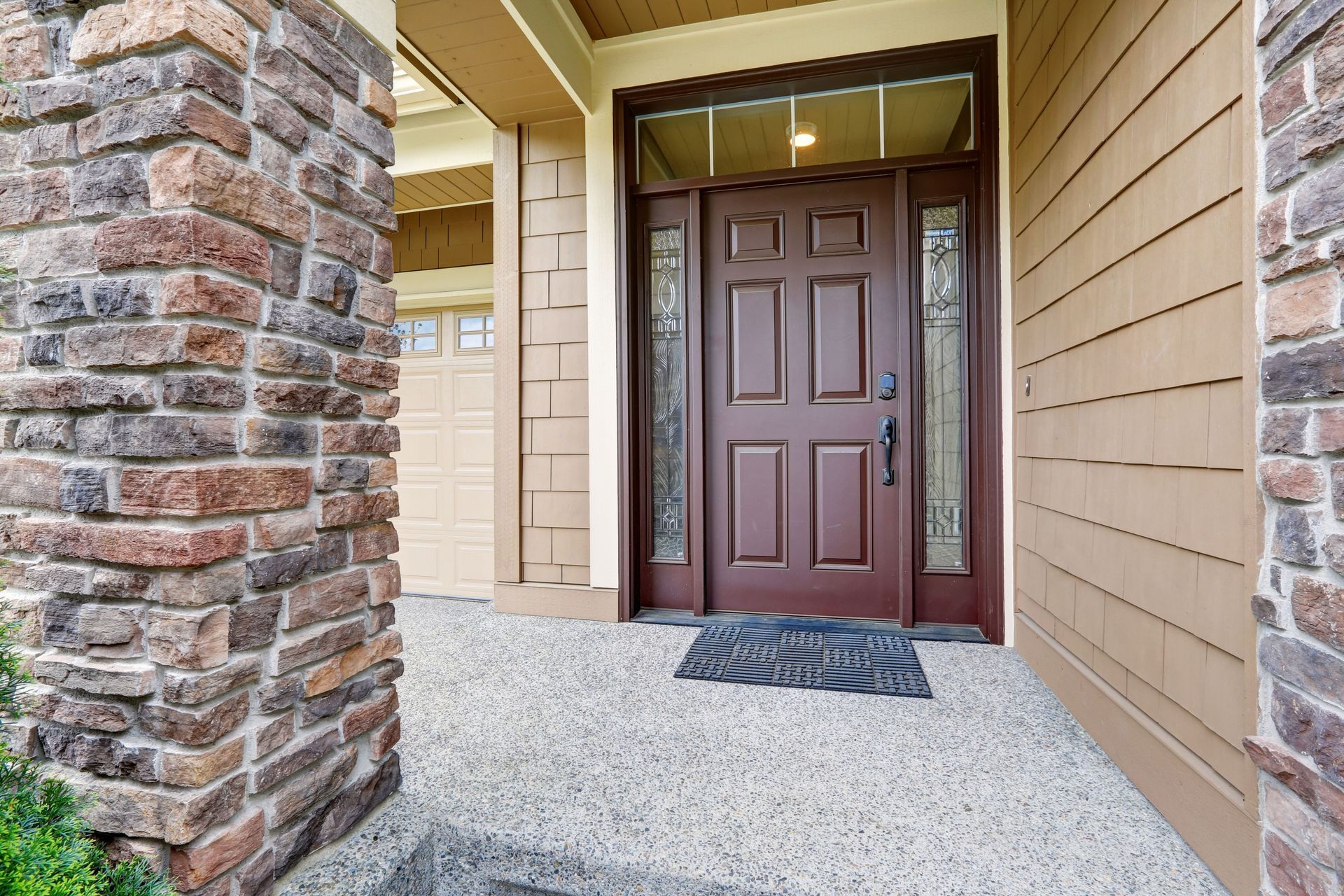
Panel style is a fundamental aspect of door design that significantly affects a home’s visual appeal. Traditional paneled doors typically feature symmetrical layouts with raised or recessed panels, suitable for colonial and craftsman architectures. Contemporary styles tend to favor flat panels or sleek horizontal lines, aligning with modern design principles. Homeowners can choose from an array of panel configurations to complement their house's style, whether it be elaborate designs or minimalist patterns. Selecting a panel style that resonates with the home’s existing architecture ensures a cohesive aesthetic that enhances the home's exterior with a front door installation.
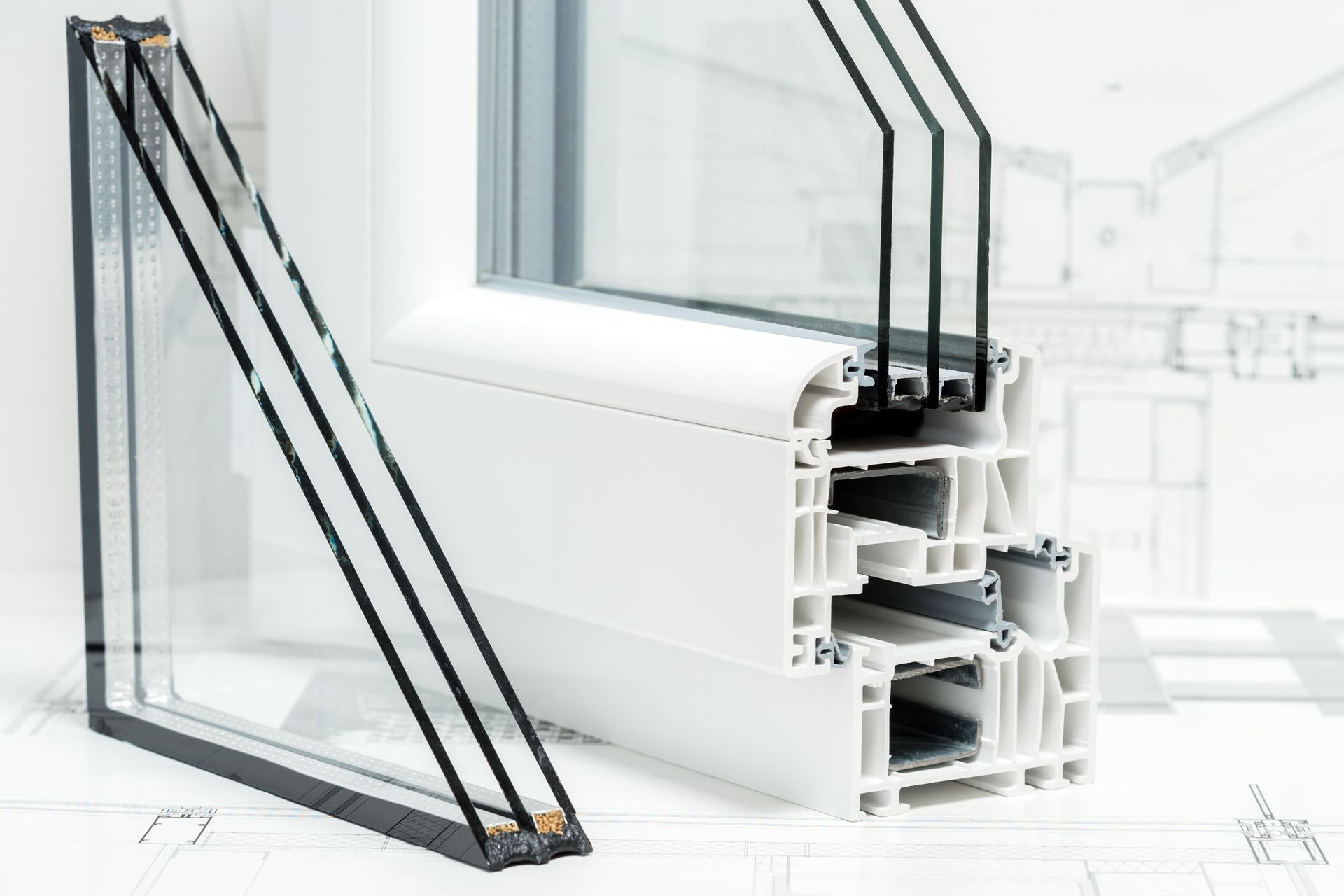
Glazing options provide both functional and decorative benefits, adding character and improving natural light penetration. Glass panels can be integrated into front doors in various configurations, from small inserts to full-length glass panes, catering to different privacy and lighting needs. Double or triple glazing improves thermal efficiency and soundproofing, making the home more comfortable and energy-efficient. Textured or frosted glass options maintain privacy while still allowing light to filter through, offering versatility in design and functionality. Whether seeking enhanced illumination or a statement piece, glazing choices can dramatically alter a front door's appearance.
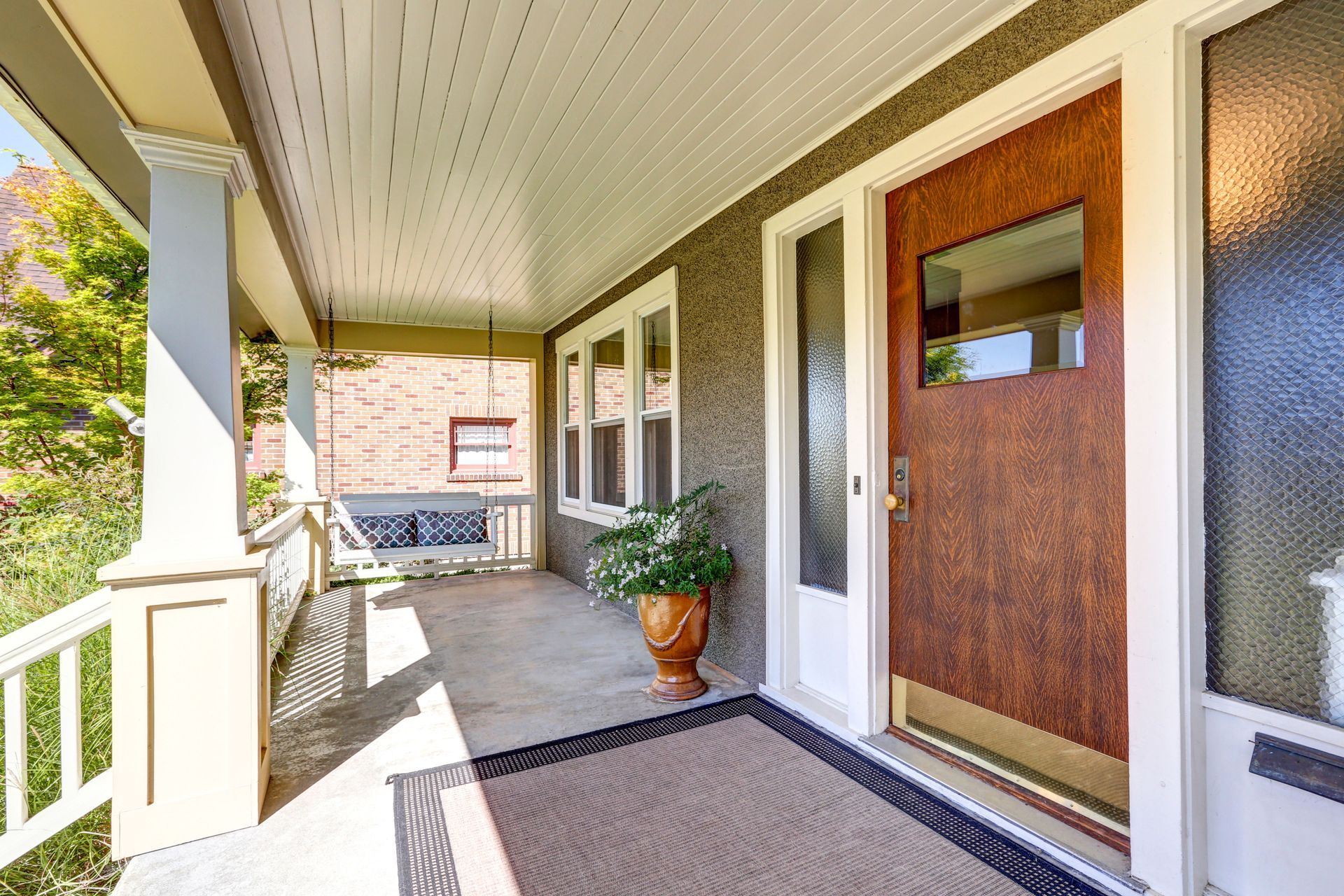
Choosing the right color and finish for a front door installation can set the tone for the entire property, providing a personal touch that reflects the homeowner’s aesthetic preferences. Bold and vibrant colors offer a striking contrast and modern appeal, while traditional natural finishes create a timeless and elegant look. The longevity of a front door’s finish is also crucial; high-quality paints and stains resist fading and damage, ensuring long-lasting visual appeal. Coordinating the door’s color with exterior elements like shutters, trim, and siding enhances cohesion and enhances curb appeal. A thoughtful selection of color and finish contributes significantly to the impression a home imparts upon visitors and neighbors.
Deciding between modern and traditional front door designs depends heavily on the architectural style of the house and personal taste. Modern designs often embrace simplicity, featuring clean lines, larger glass elements, and minimalistic touches that align with contemporary aesthetics. In contrast, traditional doors may incorporate ornate details, classic raised panels, and period-appropriate hardware that resonate with historic or vintage homes. The choice between modern and traditional styles should harmonize with the home’s existing architecture while also satisfying the homeowner's individual style preferences. Embracing the architectural design while maintaining functionality ensures a harmonious balance that enhances the home’s exterior.
Customization allows homeowners to create a truly unique entryway that reflects their personal style and the specific requirements of their home. From bespoke measurements accommodating unique architectural features to intricate designs and tailor-made finishes, customization provides limitless possibilities in door design. Utilizing customizable elements such as specialty glass, hardware options, and custom panel arrangements can further personalize and enhance a front door. The ability to tailor details not only provides aesthetic satisfaction but also ensures that the door meets practical needs such as security and energy efficiency. Ultimately, customization offers a personalized touch that can elevate the standard of a typical front door installation, turning it into a distinctive feature of the house.
2. Assessing Security Features
The integrity of the locking mechanism is crucial to the overall security of a front door, as it is a primary line of defense against unauthorized entry. High-quality deadbolts are essential, providing robust protection when properly selected and installed. Advances in security technology have introduced smart locks, which offer features like keyless entry and remote access, combining convenience with heightened security measures. Multi-point locking systems, commonly used in premium doors, secure the door at multiple points simultaneously, enhancing resistance to forced entry. Carefully evaluating and choosing superior locking mechanisms is vital for peace of mind, safeguarding the home against intrusion.
Reinforcements play a critical role in improving the resilience of a front door, especially in areas prone to heightened security risks. Reinforcement solutions include the use of steel plates, enhanced frames, and anti-kick devices that provide added protection. Security hinges, along with reinforced strike plates, are also crucial in thwarting break-ins by enhancing the door’s structural robustness. For doors with windows, security glazing options, such as laminated or toughened glass, prevent easy breakage and deter attempts at unauthorized entry. By integrating these reinforcements, homeowners significantly upgrade the door’s strength, bolstering the security of their homes.
Impact resistance is a critical feature, especially in regions prone to extreme weather conditions like hurricanes or heavy storms. Doors with high impact resistance are designed to withstand substantial force without succumbing to damage, thus protecting the home's interior from environmental elements. Apart from weather resilience, such doors also provide added security against forced entries, given their ability to absorb impact without yielding. Materials such as reinforced fiberglass or steel with reinforced cores are exemplary for high impact resistance, delivering robust protection. Choosing doors with superior impact-resistant qualities ensures enduring safety and security, suited for varying environmental and crime-related challenges.
3. Considering Energy Efficiency Factors
The insulation properties of a front door installation significantly influence the thermal efficiency of a home, impacting overall energy consumption. Doors with high insulating capabilities prevent unwanted heat loss during winter and reduce heat gain in summer, keeping indoor temperatures stable. Materials such as fiberglass and steel with foam insulation cores are known for excellent insulated properties, outperforming traditional wood doors. Effective insulation contributes to reduced heating and cooling costs, leading to tangible savings on energy bills over time. With increasing emphasis on sustainable living, selecting a door with superior insulation is a strategic choice for prospective and environmentally conscious homeowners.
Weather stripping is a crucial component in maintaining the energy efficiency of a front door, effectively sealing gaps to prevent drafts. High-quality weather stripping minimizes air leaks, enhancing the door’s ability to retain heat in winter and stay cool in summer. This seals off potential ingress points for moisture, thereby preserving the door’s material integrity and lifespan. Regular inspection and replacement of weather stripping ensures optimal performance and maintains the door's energy efficiency over its lifespan. Selecting a front door installation with robust weather-stripping features results in an efficient barrier against environmental fluctuations, promoting a more sustainable and comfortable living environment.
Incorporating thermal breaks into front door designs has become an essential measure for boosting a door's energy efficiency. Thermal breaks consist of an insulating material inserted between inner and outer materials, reducing heat transfer through the door structure. This feature is especially beneficial for metal doors, which are naturally conductive, as it prevents thermal bridging and improves insulation performance. Thermal breaks contribute to maintaining comfortable indoor temperatures, particularly in extreme climates, ensuring the door’s effectiveness as an energy-saving fixture. Prioritizing doors with thermal breaks supports energy-conscious building practices, aligning with modern standards for efficiency and environmental stewardship.
We hope that this guide helped clarify how you can choose the right front door for your home. Reach out to Wilson Home Restorations for more information on your front door installation!